What Is Spinal Stenosis?
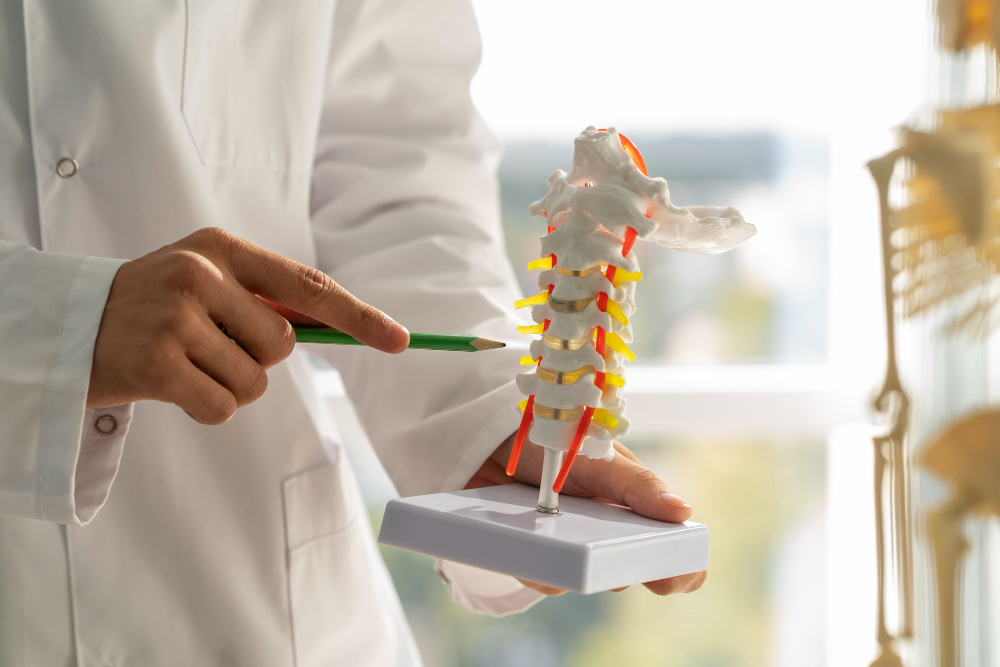
Spinal stenosis is a condition where the spaces in your spine become narrow. This narrowing can press on the nerves that travel through your spine. As a result, you may feel pain, numbness, or weakness. Spinal stenosis often affects the lower back or neck. Although it can happen to anyone, it is more common in older adults. Early detection helps prevent serious problems.
Why Does the Spine Narrow?
There are several causes of spinal stenosis. Most often, it happens as people age. Over time, the bones and tissues in your spine can change. These changes may lead to narrowing. However, other factors can also play a role.
In addition, some people are born with a narrow spinal canal. This increases their risk. Other risk factors include being over 50, having arthritis, or past spine injuries.
Signs and Symptoms of Spinal Stenosis
Symptoms of spinal stenosis can vary. Sometimes, you may not notice any signs at first. But as the condition worsens, you may feel:
However, symptoms often get worse over time. If you notice these signs, it is important to seek help.
What Happens If Spinal Stenosis Is Left Untreated?
If spinal stenosis is not treated, it can lead to serious problems. Over time, pressure on the nerves may cause permanent damage. For example, you might lose feeling in your legs or arms. Some people may also have trouble walking or keeping their balance. In rare cases, untreated spinal stenosis can cause loss of bladder or bowel control. These are serious complications of spinal stenosis. Therefore, early treatment is key to preventing long-term issues.
Diagnosis and Treatment Options
Doctors use several steps to diagnose spinal stenosis. First, they ask about your symptoms and medical history. Next, they may do a physical exam. Imaging tests, such as X-rays, MRI, or CT scans, help confirm the diagnosis.
Treatment for spinal stenosis depends on how severe your symptoms are. Options include:
Most people feel better with non-surgical treatments. However, surgery is sometimes the best choice for severe symptoms.
Prevention and Lifestyle Tips
While you cannot always prevent spinal stenosis, some steps may lower your risk. For example, you can:
Additionally, regular check-ups help catch problems early. Healthy habits support your spine and overall health.
When to See an Orthopedic Specialist
If you have back or neck pain that does not improve, see a doctor. Also, if you notice numbness, weakness, or trouble walking, seek help soon. Early care can prevent spinal stenosis complications. An orthopedic specialist can guide you on the best treatment for your needs.
Conclusion
Spinal stenosis happens when your spine narrows and presses on nerves. It can cause pain, numbness, or weakness. If left untreated, it may lead to serious problems. However, early diagnosis and treatment can help you feel better and stay active. Consult an orthopedic specialist Dr. Sunil Chodavadiya for personalized guidance on spinal stenosis.