What Is a Slip Disc?
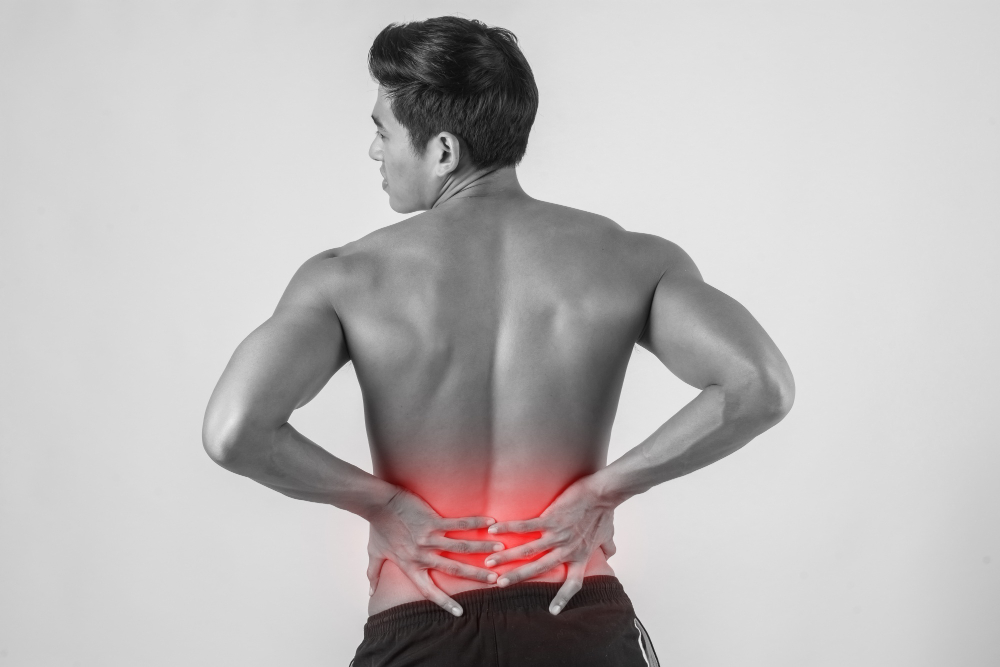
A slip disc, also called a herniated disc, happens when the soft cushion between your spine bones moves out of place. This can press on nerves and cause pain. For many people, a slip disc can make daily life hard. However, early intervention for slip disc can help you recover faster and avoid long-term problems.
Main Causes of Slip Disc
There are several reasons why a slip disc may occur. Understanding these causes can help you lower your risk. For example, some common causes include:
Because these causes are common, it is important to take care of your back every day.
Stages of Slip Disc Progression
Slip disc problems usually develop in stages. Knowing these stages can help you spot issues early. The main stages are:
At each stage, symptoms can get worse. Therefore, early intervention for slip disc is key to stopping further damage.
Why Early Intervention Changes Everything
Getting help early can make a big difference. For instance, early diagnosis and treatment can:
Because untreated slip disc can lead to lasting pain or weakness, it is important to see a doctor as soon as you notice symptoms. According to the World Health Organization (WHO), early care often leads to better results.
Common Slip Disc Symptoms
Slip disc symptoms can vary. However, some signs are more common than others. Watch for these symptoms:
If you notice these signs, especially after an injury, it is wise to seek medical advice right away.
How Is Slip Disc Diagnosed?
Doctors use several methods to diagnose a slip disc. Usually, the process starts with a physical exam. Then, your doctor may order tests such as:
Because early diagnosis helps guide the best treatment, do not delay if you have symptoms.
Slip Disc Treatment Options
There are many slip disc treatment options. Most people get better with non-surgical care. However, some may need surgery. Treatment options include:
Non-Surgical Treatments
Surgical Treatments
Because each case is different, your doctor will help you choose the best option. According to the CDC, most people recover without surgery.
Prevention & Lifestyle Tips
While not all slip discs can be prevented, you can lower your risk. Try these tips:
Because small changes add up, making these habits part of your daily routine can help protect your spine.
Conclusion
In summary, a slip disc can cause pain and limit your movement. However, knowing the causes, stages, and symptoms can help you act early. Early intervention for slip disc often leads to better recovery and fewer problems. If you think you have a slip disc, consult an orthopedic specialist Dr. Sunil Chodavadiya for personalized advice on slip disc management.