What is a Slip Disc?
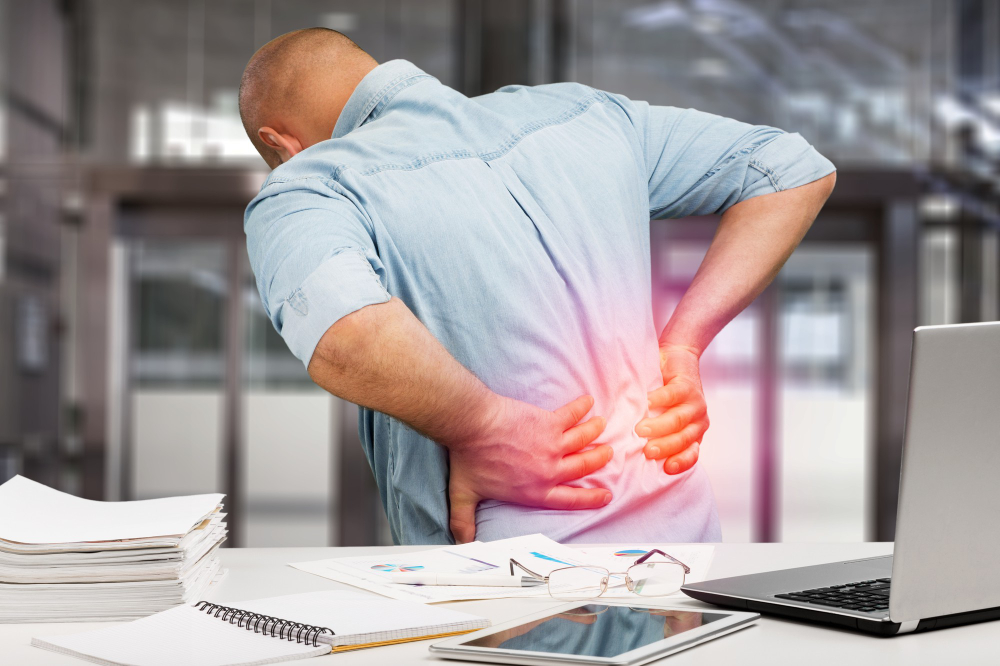
A slip disc, also called a herniated disc, happens when one of the soft cushions between the bones in your spine moves out of place. This can press on nerves, causing pain or numbness. Often, people feel back pain, leg pain, or weakness. Because the spine is so important, a slip disc can affect daily life. Early treatment for slip disc can help prevent long-term problems. Understanding the causes and stages of a slip disc is the first step to better health.
Causes of Slip Disc
Many things can lead to a slip disc. Sometimes, it happens slowly as we age. Other times, it can be sudden. For example, lifting heavy objects the wrong way can cause a disc to slip. In addition, being overweight puts extra pressure on the spine. Here are some common causes:
Because these causes are common, it is important to protect your back every day.
Stages of Slip Disc
A slip disc does not happen all at once. Instead, it develops in stages. Knowing these stages can help you spot problems early. For example, you may notice mild back pain at first. Over time, the pain can get worse. Here are the main stages:
Because symptoms can change at each stage, early treatment for slip disc is very important.
Why Early Intervention Matters
Early intervention can make a big difference. When you treat a slip disc early, you can often avoid surgery. In addition, early care can stop pain from getting worse. For example, physical therapy and gentle exercise can help the spine heal. According to the World Health Organization, early treatment leads to better recovery and fewer long-term problems. If you wait too long, nerve damage may occur. This can cause lasting pain or weakness. Therefore, it is wise to seek help as soon as you notice herniated disc symptoms.
Prevention and Lifestyle Tips
While not all slip discs can be prevented, you can lower your risk. Simple changes in daily life can protect your spine. For example, keeping a healthy weight helps reduce pressure on your back. Here are some tips to prevent slip disc:
Because prevention is easier than treatment, these habits can make a big difference.
When to See a Doctor
Sometimes, back pain goes away on its own. However, you should see a doctor if you have:
Because these signs may mean a serious problem, do not wait to get help. Early treatment for slip disc can prevent lasting damage. If you are looking for slip disc treatment in your area, consult a trusted orthopedic specialist.
Conclusion
In summary, a slip disc can cause pain and limit your daily life. However, knowing the causes and stages helps you act early. Prevention and quick action are key. If you notice herniated disc symptoms, do not wait. Consult an orthopedic specialist Dr.Sunil Chodavadiya for advice tailored to your needs.